
Inside Heroes
vol.8

Living Alongside Plants
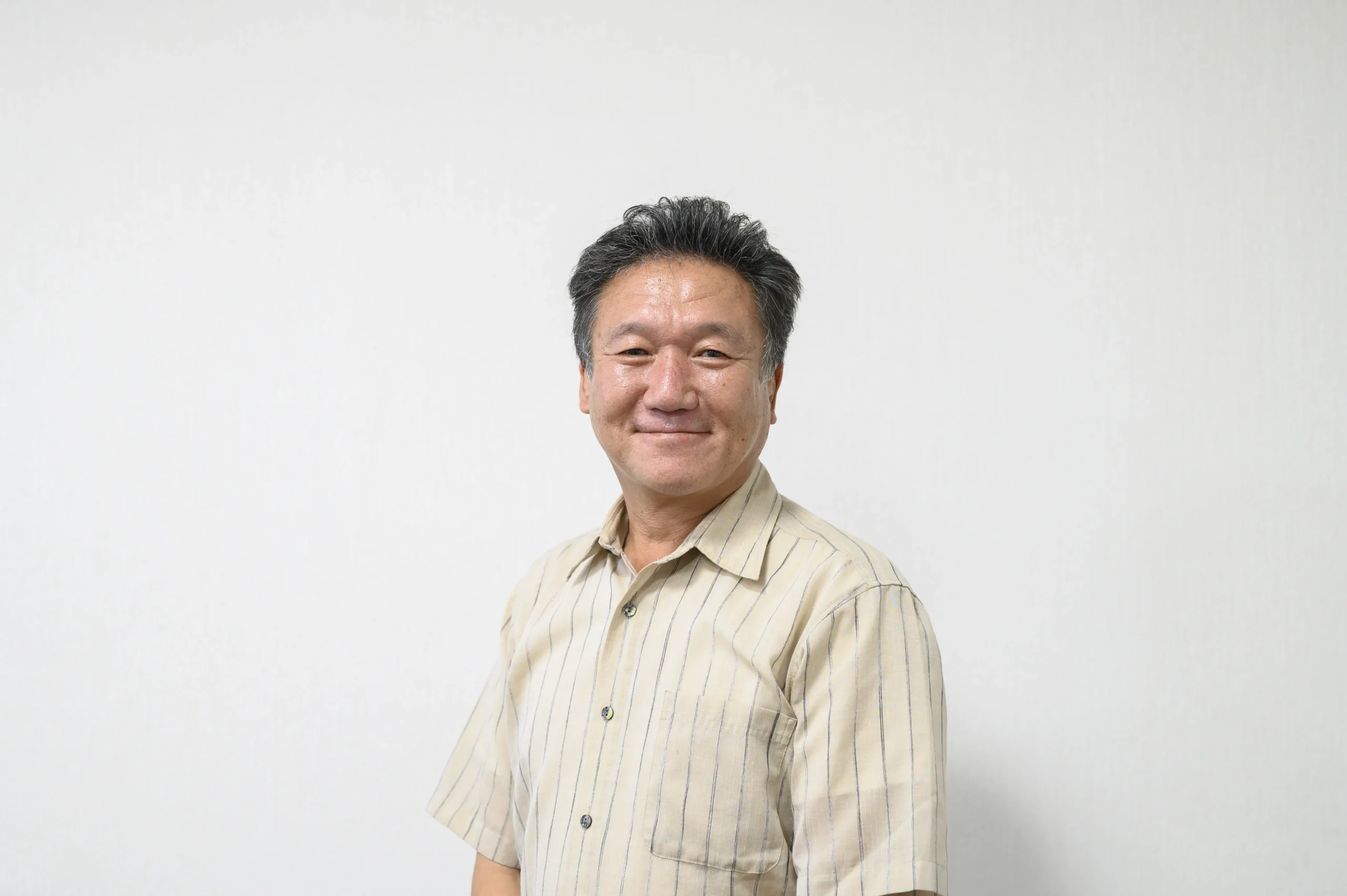
National Museum of Nature and Science, Department of Botany, Chief Curator / Tsukuba Botanical Garden, Curator
Goro Kokubugata
A Message to Our Visitors
Plants are living beings. This is the simple yet profound message I hope to share with visitors at the Themed Pavilion.
I invite you to experience the rich lives of plants with all five senses—to discover how they grow, breathe, and form intricate relationships with one another, much as we humans do.
As you leave the Expo and make your way home, perhaps you’ll pause to notice a tiny flower pushing through the pavement, the delicate leaves of a roadside plant, or the grasses swaying in the breeze. What once seemed like an ordinary part of the landscape may suddenly feel alive with wonder.
I hope this experience stays with you, changing how you see the plants around you and bringing you a little closer to the living world we share.
The Future of Plants, Shaped by Human Hands
— What first inspired you to study plants, and what are you working on today?
Kokubugata:
I grew up surrounded by the rich natural environment of Ishigaki Island and had always loved living things, even as a boy. As I studied biology at university, I became increasingly fascinated by the extraordinary world of plants and how deeply they appeal to me. Today, I conduct research in plant systematics and taxonomy, as well as phylogeography, at the Department of Botany, National Museum of Nature and Science.
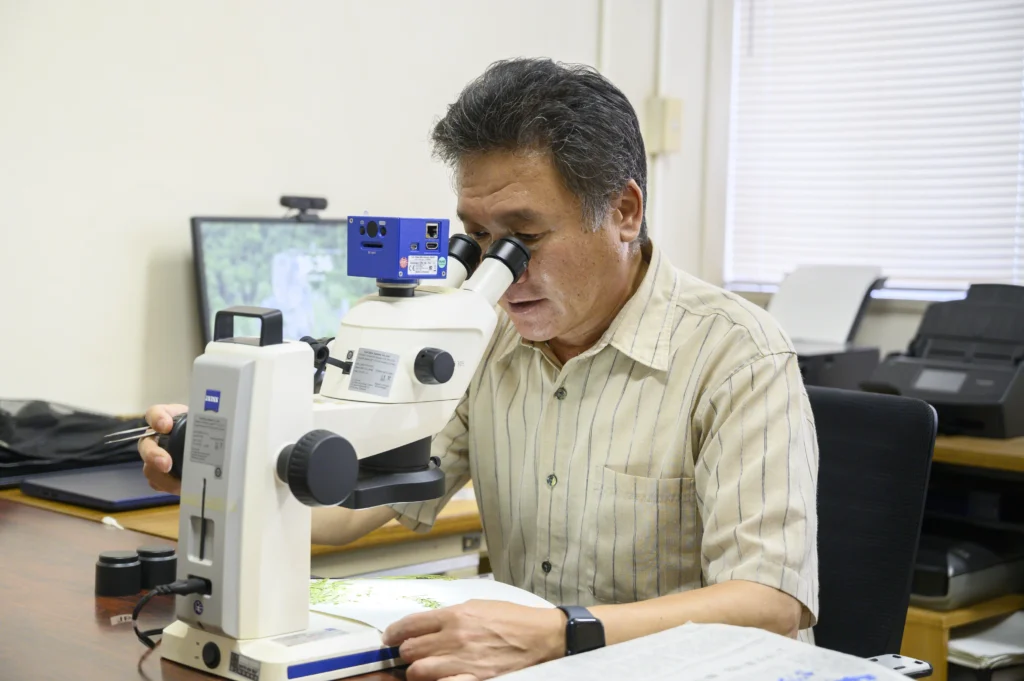
Fieldwork is at the heart of my work. I have travelled to many parts of the Ryukyu Islands, including the Amami and Okinawa island groups, getting my hands dirty as I study plants in their natural habitats.
The work has not always been easy. I have nearly lost my way in dense forests where habu snakes lurk. On another occasion, while working along a coastline with no shade in the scorching August heat, I suffered severe heatstroke. I was so exhausted that I could walk for only five minutes before collapsing. I repeated this painful cycle of walking a short distance and collapsing, again and again, until I finally managed to make my way back to safety.
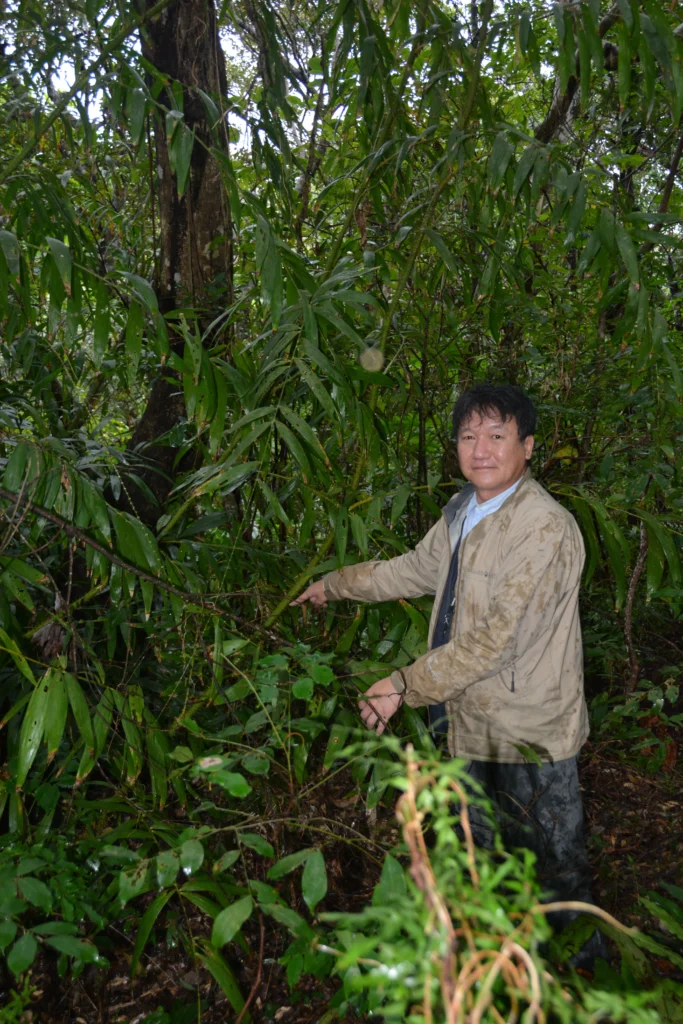
What keeps me returning to the field, despite the hardships, is the knowledge that plants reveal aspects of their true nature only when you venture into their natural habitats and observe them firsthand.
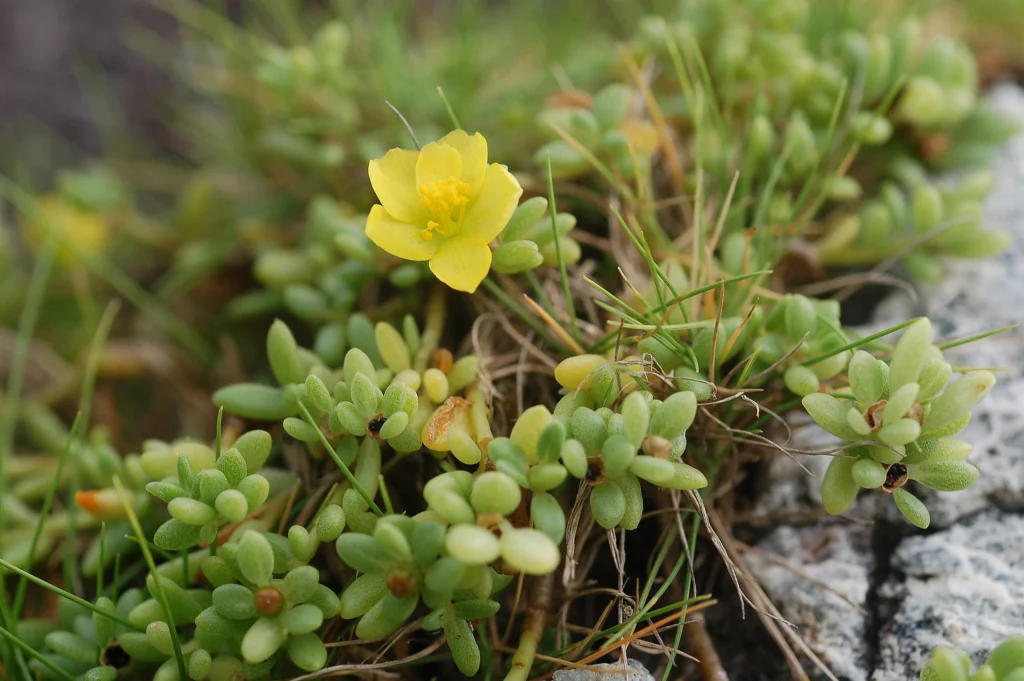
Take flowers that appear identical at first glance. When you seek them out in the field and examine them side by side, subtle differences in color and form emerge. Flowers from Amami, for example, may be lemon-yellow, while those from Okinawa are a deeper, richer yellow.
As the analysis goes further, what initially seemed to be the same plant may turn out to be a previously undescribed variety. We can even begin to trace the distinct routes these plants took to reach the islands.
There is nothing quite like the thrill of finally solving a mystery that first took shape in the field. For me, that moment of discovery is one of the greatest rewards of being a researcher.
Building on the knowledge gained through fieldwork, I also work at Tsukuba Botanical Garden to conserve and cultivate endangered plant species.
Finding the right growing conditions for each species and helping it establish itself in a greenhouse involves a continuous process of trial and error. Yet I believe that this steady, painstaking work is central to our mission: to understand plant diversity, protect it, and pass it on to future generations.
— Nature conservation is often associated with leaving nature untouched, but your perspective seems somewhat different.
Kokubugata:
Human activity does not necessarily threaten ecosystems. In fact, some natural environments have been preserved precisely because of their close ties to local ways of life and cultural traditions.
One example is the vegetation growing within gusuku—the historic castle ruins found in Okinawa. These sites have long been cherished as symbols of their local communities, and people still regularly weed and clear trees there. We have found that this ongoing maintenance has helped many endangered plant species survive.
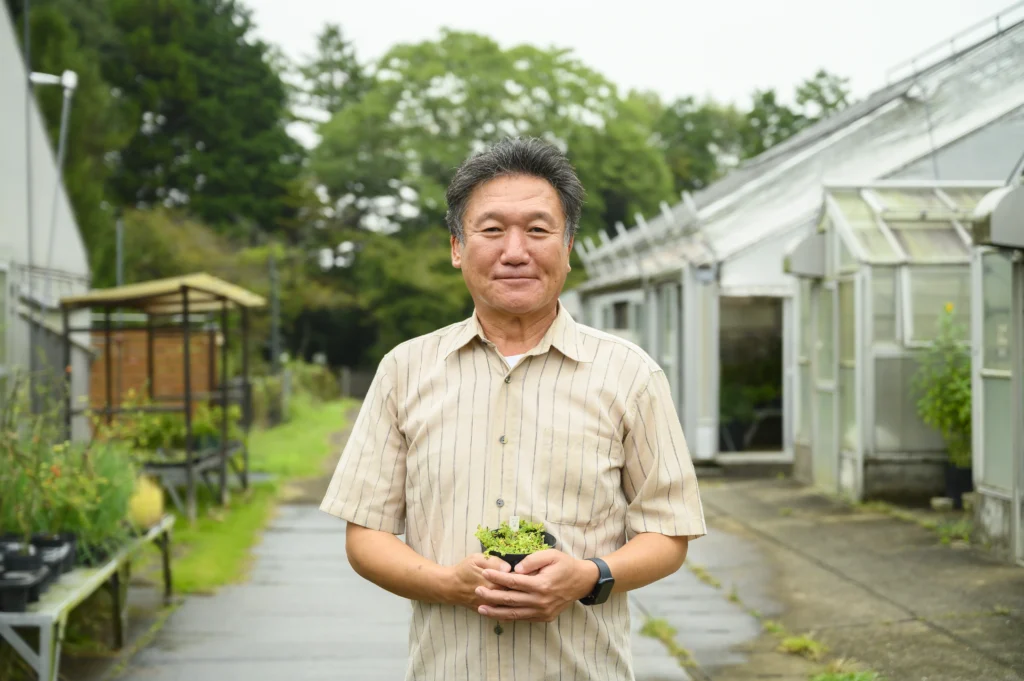
Throughout history, humans have received countless gifts from plants, using them for food, medicine, and everyday materials. Yet, as the example of the gusuku demonstrates, our relationship with plants is far from one-sided.
Rather than seeing ourselves as exceptional beings at the top of the ecological hierarchy, we must recognize ourselves as part of nature itself, connected in a circle of life with plants and other forms of wildlife. Perhaps this is what true coexistence should look like.
Sensing the Presence of Life Through All Five Senses
— As a scientific advisor to the Themed Pavilion, what kind of experience would you like to offer visitors?
Kokubugata:
I often say that plants are not simply there—they are alive. We tend to think of them unconsciously as things, but plants are living beings, just as we are.
That is why, at the Themed Pavilion, I want to offer visitors more than just knowledge about how plants live. Through sensory elements such as scent, sound, light, and texture, I hope to create an experience that allows visitors to feel the subtle rhythms of plant life and sense their presence all around them.
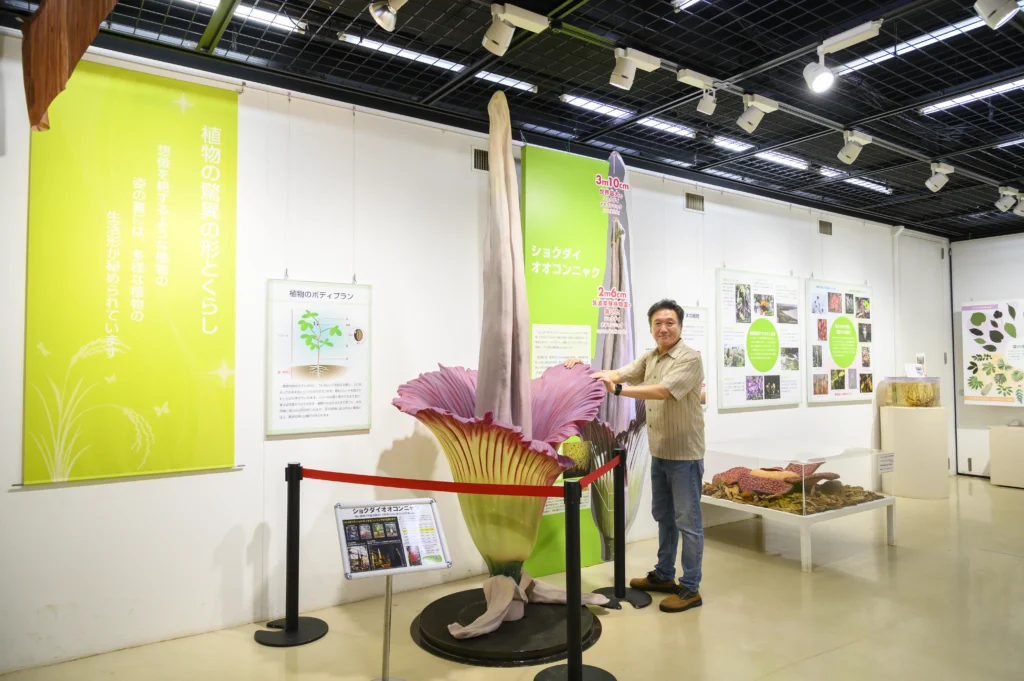
Plants are alive—and feeling this for ourselves is the first step toward a new relationship between people and plants. We hope the time you spend here will inspire you to rediscover the extraordinary power of life and see the plant world around you in a whole new light.
National Museum of Nature and Science, Department of Botany, Chief Curator / Tsukuba Botanical Garden, Curator
Goro Kokubugata
Originally from Ishigaki Island, Okinawa Prefecture, Kokubugata graduated from the Department of Biology, Faculty of Science, University of the Ryukyus, in 1992 and completed his doctoral studies at the Graduate School of Science, Hiroshima University, in 1997. He joined the National Museum of Nature and Science that same year.
His research specializes in plant systematics and taxonomy, as well as phylogeography. For the 2027 International Horticultural Expo, he serves as a scientific advisor to the Themed Pavilion, providing guidance on interpretation and exhibition design to help communicate the fascinating ways plants live and interact with the world around them.